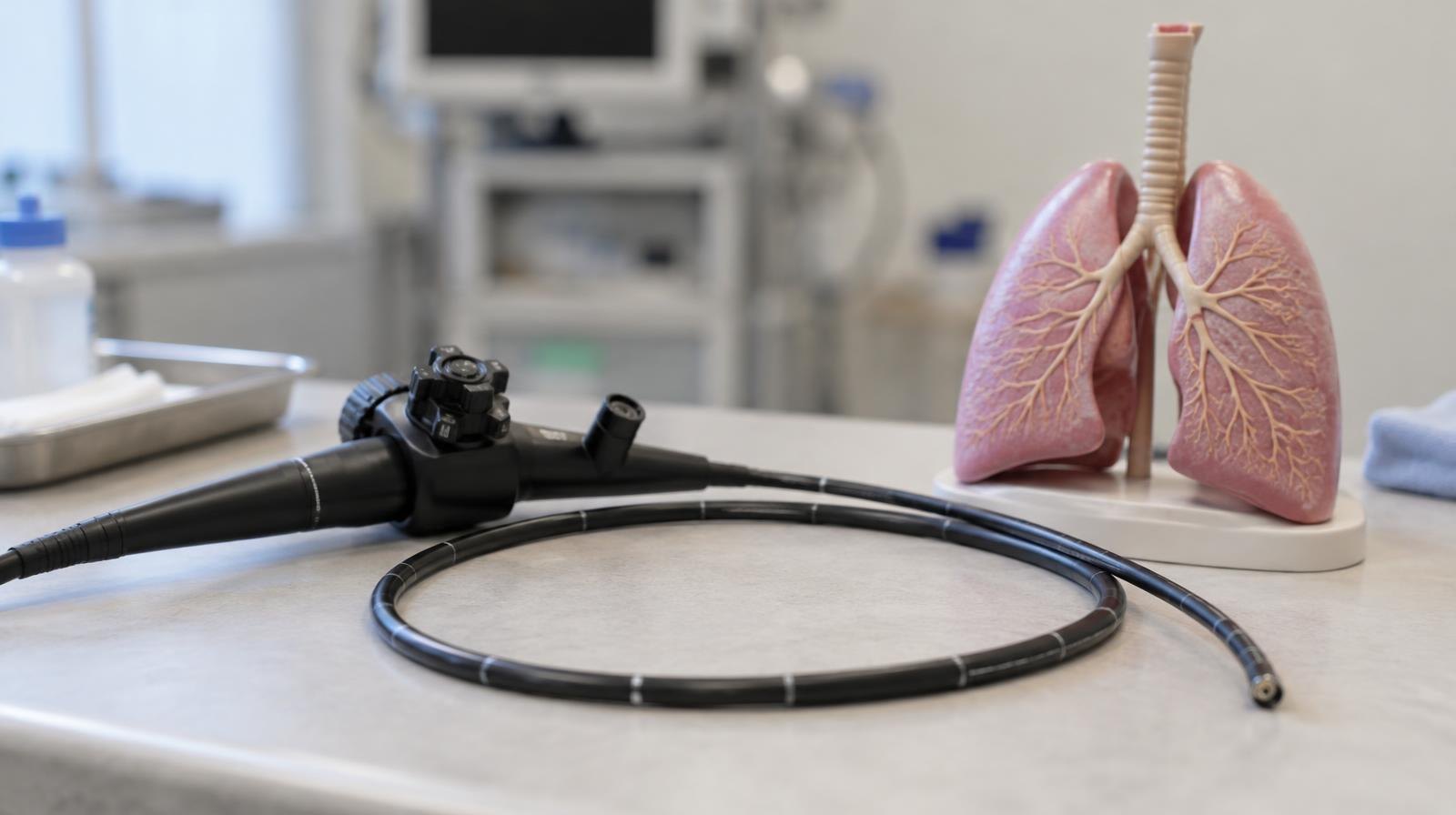
Willis Knighton Health has become the first health organization in Louisiana to earn a Center of Excellence designation for robotic-assisted bronchoscopy, the Shreveport-based health system announced Nov. 16.
Willis Knighton said it is also the third health organization in the United States to receive the accreditation. The designation from the Surgical Review Corporation recognizes hospitals and surgeons that meet high standards for quality patient care and safety in robotic-assisted bronchoscopy, a minimally invasive procedure that uses robotic technology to diagnose lung cancer and other pulmonary conditions.
Two Willis Knighton pulmonologists, Ahmed Virani, MD, and Kamal A. Masri, MD, were named designated surgeons of excellence as part of the accreditation.
"This recognition reflects our team's dedication to delivering high-quality care and advancing the early diagnosis of lung cancer through robotic technology. Early detection saves lives," Dr. Virani said in the announcement.
Dr. Masri said the technology "allows us to offer world class pulmonary care right here in Northwest Louisiana."
How the procedure works
Robotic-assisted bronchoscopy allows physicians to look inside the airways and collect small tissue samples from areas that are difficult to reach with traditional bronchoscopy methods, according to Willis Knighton.
During the procedure, a thin, flexible and steerable catheter is guided through the airways along a planned path using a camera and navigation system. The technique is designed to improve the accuracy of biopsies for small or deep lung nodules while reducing the need for more invasive procedures. Willis Knighton said the procedure can also speed up diagnosis and improve patient outcomes.
According to the American Lung Association, lung cancer remains the leading cause of cancer deaths in the United States for both men and women. The five-year survival rate is much higher when the disease is detected at an early, localized stage, yet only about 28.1% of cases are diagnosed early.
Accreditation requirements
To earn the designation, applicants must meet criteria that include required surgical volumes, advanced facility equipment, structured clinical pathways and standardized operating procedures, according to Willis Knighton.
The evaluation also emphasizes patient education and continuous quality assessment. The health system said expert inspectors work with department staff throughout the process to align practices with global standards.