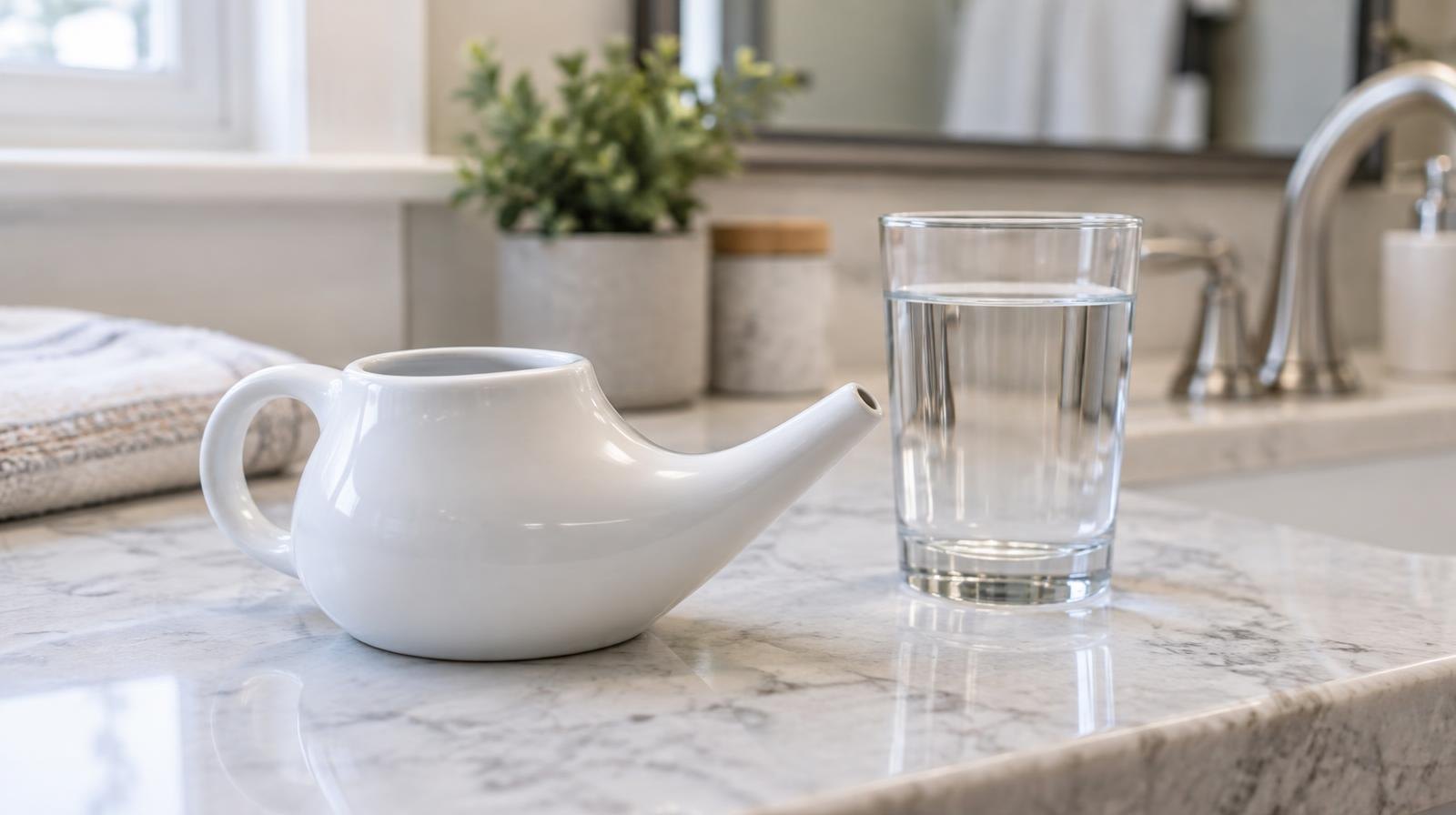
The Louisiana Department of Health (LDH) is warning residents statewide to stop using tap water in neti pots and to keep it away from contact lenses after 10 rare but serious amoeba infections were identified across the state since 2024.
Five of those cases resulted in permanent vision loss. One was fatal.
The LDH advisory, issued Oct. 29, details infections caused by Acanthamoeba, a microscopic organism commonly found in soil, dust and water, including tap water. Although most people come into contact with the organism at some point, infections are rare, according to the department.
Of the 10 infections identified between 2024 and 2026, eight were Acanthamoeba keratitis, an eye infection that can strike otherwise healthy people. Seven of those eight occurred in contact lens wearers. Five resulted in permanent vision loss, according to LDH.
Two more serious infections were identified in 2026. One affected the sinuses and one involved the brain. The brain infection was fatal. Both patients had weakened immune systems and reported using tap water in nasal irrigation devices, according to the department.
LDH noted that the reported use of tap water does not establish it as the confirmed source of those infections. Drinking tap water is not considered a risk for Acanthamoeba infection, the department said.
State Epidemiologist Theresa Sokol, as identified by LDH, said the infections "can have devastating consequences." She said using the right water for nasal rinsing, following proper contact lens hygiene and taking precautions with medical devices "can help reduce the risk," adding that those steps are "especially important for people with weakened immune systems."
What residents should do
LDH recommends these precautions:
- Nasal rinsing: Use only distilled, sterile or previously boiled and cooled water in neti pots, squeeze bottles and other nasal irrigation devices. Do not use untreated tap water.
- Contact lenses: Never use tap water to clean or store lenses. Use recommended contact lens solutions and remove lenses before swimming, showering or using a hot tub.
- Medical devices: Follow manufacturer instructions for water use, cleaning and maintenance of devices such as continuous positive airway pressure (CPAP) machines.
- Weakened immune systems: Talk with a health care provider about precautions when using nasal irrigation devices or other equipment involving water exposure.
Symptoms to watch for
Contact lens wearers should seek care promptly if they experience eye pain, redness, blurred vision, sensitivity to light, excessive tearing or the sensation that something is in the eye, according to LDH.
People with weakened immune systems who develop seizures, confusion, headaches, weakness, fevers or sinus and skin disturbances should seek medical attention and tell their provider about any recent nasal rinsing or water exposures, the department said.
LDH has also issued a health advisory to Louisiana health care providers to increase awareness and encourage early recognition of these infections. Additional information is available from the Centers for Disease Control and Prevention.